





Best Tennis Ball Machines for Training
Tennis ball machines have become one of the most valuable tools for players and coaches looking to improve consistency, footwork, and shot repetition. Whether you are training alone, running drills with students, or preparing for competition, a ball machine can provide hundreds of controlled shots in a single session.
Today’s machines range from portable systems designed for individual players to advanced models used by clubs and academies. Choosing the right machine depends on how you plan to train, the level of realism you need, and how much portability or programmability matters to you.
This guide explains how tennis ball machines work, what features matter most, and which types of machines are commonly used by players and clubs.
What Is a Tennis Ball Machine?
A tennis ball machine is an automated device that feeds tennis balls at controlled speeds, heights, and intervals. By adjusting settings such as ball speed, spin, direction, and feed rate, players can simulate different types of shots and rally situations.
The biggest advantage of a ball machine is repetition. Instead of waiting for a partner to practice with, players can hit dozens or hundreds of similar balls in a row, helping build muscle memory and consistency.
Ball machines are commonly used to practice:
- Groundstrokes
- Footwork patterns
- Approach shots
- Volleys
- Return of serve
- Fitness and cardio drills
Many modern machines also include oscillation features, allowing them to send balls to different parts of the court to simulate realistic rally patterns.
Who Should Use a Tennis Ball Machine?
Individual Players
Ball machines are particularly valuable for players who want to train independently. With a machine, it is possible to practice specific strokes repeatedly without relying on a hitting partner.
Many recreational players use them to improve:
- Timing
- Consistency
- Shot repetition
- Fitness
Coaches
Coaches often use machines to run structured drills, especially when working with larger groups. A machine can deliver a steady stream of balls while the coach focuses on technique and feedback.
Tennis Clubs and Academies
Clubs frequently invest in higher-end machines to support:
- Junior development programs
- Advanced drill sessions
- Cardio tennis classes
- Private lessons
- New services for their members
Reliable machines with larger ball capacity and programmable drills are particularly useful in club environments.
What to Look for in a Tennis Ball Machine
When comparing machines, several features have the biggest impact on how useful they will be during training.
Portability
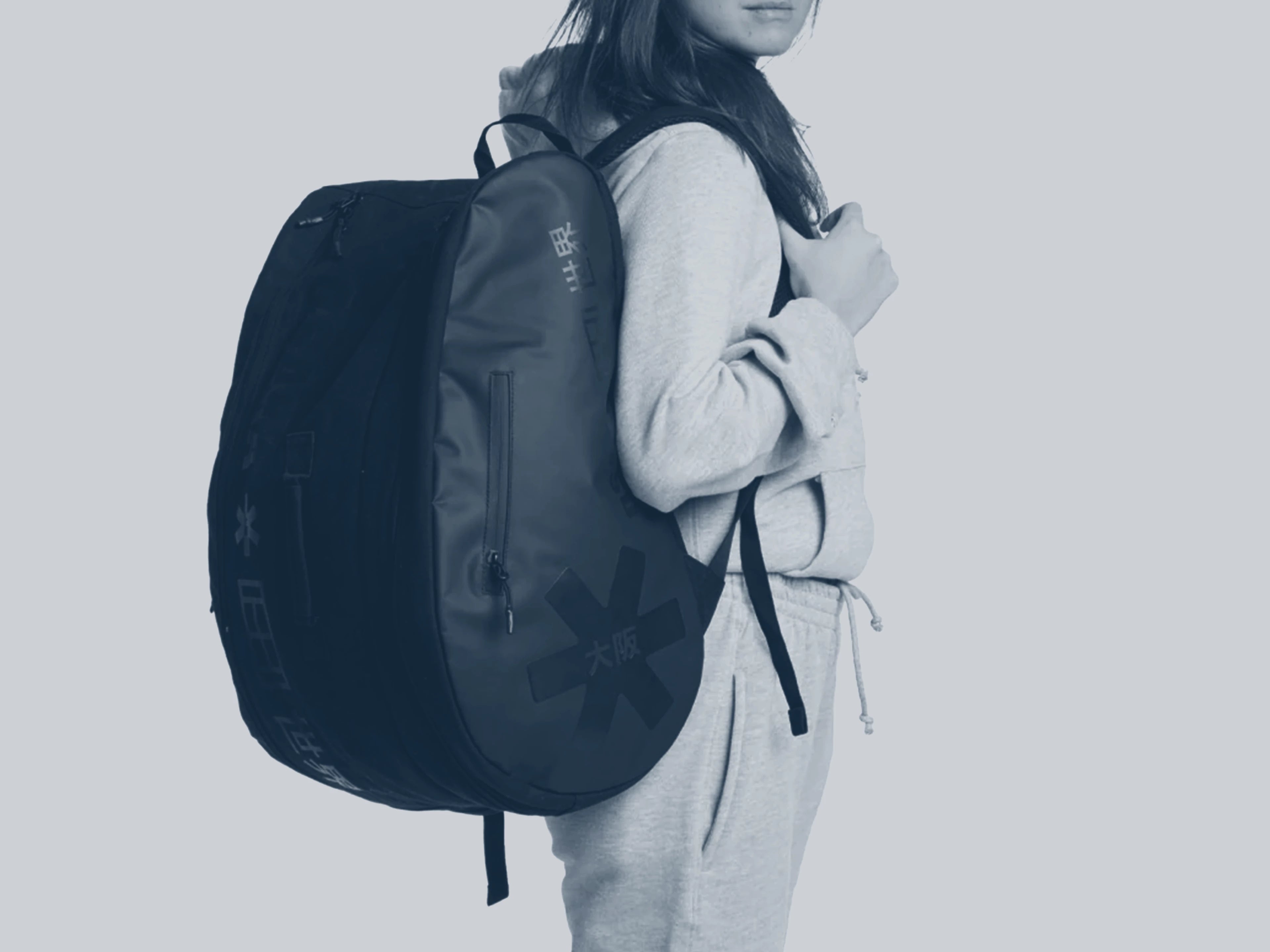
Some machines are designed to stay on a court or in a storage area, while others are built to be easily transported. Portable machines often include wheels or bag-style designs so players can take them to any court.
Ball Capacity
Ball capacity determines how many balls the machine can hold at once. Machines typically hold 70 to 150 balls, allowing players to practice longer without constantly refilling the hopper.
Speed Range
Ball speed usually ranges from gentle practice shots to match-pace groundstrokes. Higher-end machines can produce speeds approaching 70–80 mph, which helps simulate competitive play.
Spin Control
Many machines allow players to practice against topspin, backspin, or flat shots, helping them learn to read and respond to spin during rallies.
Oscillation and Shot Variety
More advanced machines include horizontal and vertical oscillation, sending balls to different areas of the court and creating more realistic movement patterns.
Popular Tennis Ball Machines Used by Players and Clubs
Many reputable brands produce tennis ball machines, each with its own strengths depending on the training environment. Below are examples of widely used machines in the market.
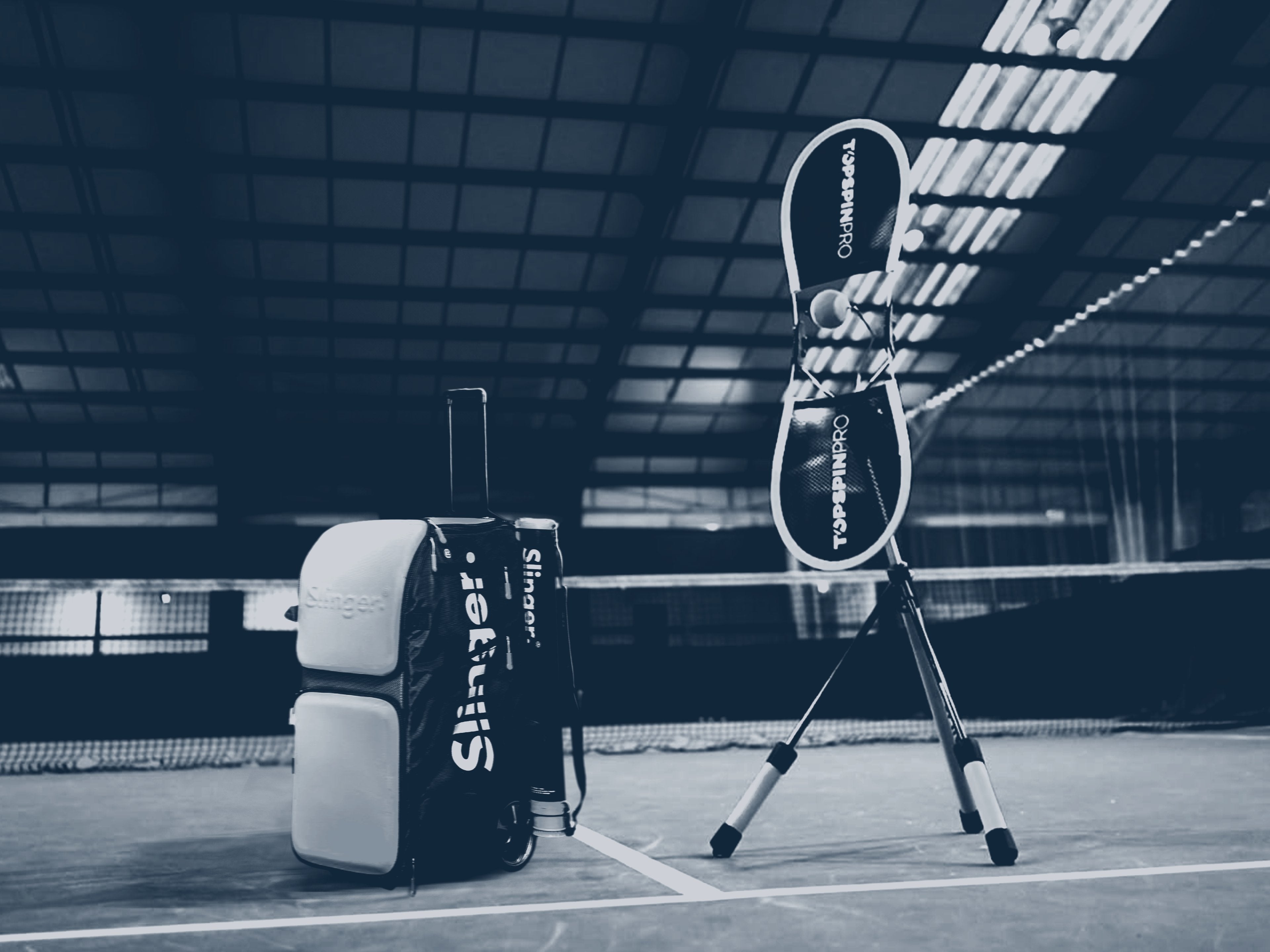
Slinger Bag
The Slinger Bag is one of the most portable ball machines available and is designed to make solo practice easy and accessible.
Instead of the traditional box-shaped machine, the Slinger uses a rolling tennis bag design that combines a ball launcher with storage for balls and accessories. This makes it simple for players to bring the machine to almost any court.
Key advantages include:
- High portability
- Large ball capacity for continuous drills
- Straightforward controls suitable for most players
The Slinger is particularly popular among recreational players, coaches running small-group sessions, and clubs looking for a flexible training tool.
Lobster Ball Machines
Lobster Sports has been manufacturing tennis ball machines for decades and is considered one of the most established brands in this category.
Many Lobster models are known for offering:
- Advanced oscillation patterns
- Adjustable spin and speed
- Large ball capacity
- Programmable drills
These machines are commonly used in club environments where players want more varied and realistic training patterns. Some models can generate complex shot sequences that move players around the court, helping simulate match situations.
Other Tennis Ball Machines
Several other manufacturers also produce ball machines with different features and price ranges.
Some machines emphasize advanced programmability and app-controlled drills, while others prioritize durability and heavy use in coaching environments. As with most training equipment, the best machine depends on how it will be used and the type of practice sessions it needs to support.
How to Choose the Right Tennis Ball Machine
When deciding which machine is right for you, it helps to consider a few practical questions:
- Do you need a portable machine you can easily bring to different courts?
- Are you training mostly alone or with a coach?
- Do you want simple repetition drills or more advanced shot programming?
- Will the machine be used occasionally or frequently in club sessions?
For many individual players, portability and simplicity are the most important factors. Clubs and academies often prefer machines that provide more complex drill programming and higher ball speeds.
Where to Buy Tennis Ball Machines in Asia
Players and clubs in Singapore and across Asia can purchase tennis ball machines from specialized distributors that focus on training equipment for racket sports.
Aktyva distributes innovative tennis training equipment for players, coaches, and academies across the region, including portable and advanced ball machines designed for different training environments.
By working with specialized equipment suppliers, players can also access product guidance, support, and recommendations tailored to their specific training needs.
Conclusion
A tennis ball machine can dramatically increase the quality of practice by allowing players to hit hundreds of balls in a controlled and repeatable way. Whether you are working on consistency, footwork, or match preparation, machines provide a reliable training partner that is always ready.
The best machine ultimately depends on how you train. Some players prioritize portability and simplicity, while others prefer advanced programming and match-style drills. Understanding these differences will help you select equipment that supports your training goals and keeps practice both productive and enjoyable.